
Garland's Recognized Leaders in Dermatology Care
Providing advanced medical dermatology services to Garland, Dallas, Rowlett, Mesquite, and the surrounding communities. Book your appointment online or call us today!

Since 1983, Howsden Dermatology has been committed to providing the best in medical dermatology to Garland, TX and the surrounding communities.
Our exceptional dermatologists, innovative technology, and online patient services are what set us apart. Schedule an appointment at our Garland location today.
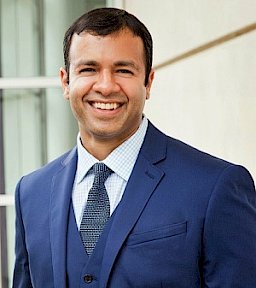
Dr. Akash Patel and Dr. Kevin Kia are committed to your family's well-being, providing patient-centric care at Howsden Dermatology's Garland office.
With a distinguished history of academic excellence, they aim to treat every patient with the same level of care they would desire for themselves.





Recent Posts
Nourish Your Glow: The Link Between Diet and Healthy Skin
The foods we consume may play a pivotal role in shaping the health and...

Is My Redness Acne or Could it Be Rosacea?
April is designated as Rosacea Awareness Month by the National Rosacea...

Considering a cosmetic procedure? Tips on choosing the right specialist.
When considering cosmetic procedures, it is essential to make sure that...


“I had a great experience with Dr. Patel last week and his whole staff! Everyone was very kind and attentive and Dr. Patel took the time to answer any questions I had and calm some of my concerns. I was in and out of the office quickly despite them being busy that morning. The best dermatology experience I’ve ever had!”
Jenny H.
